
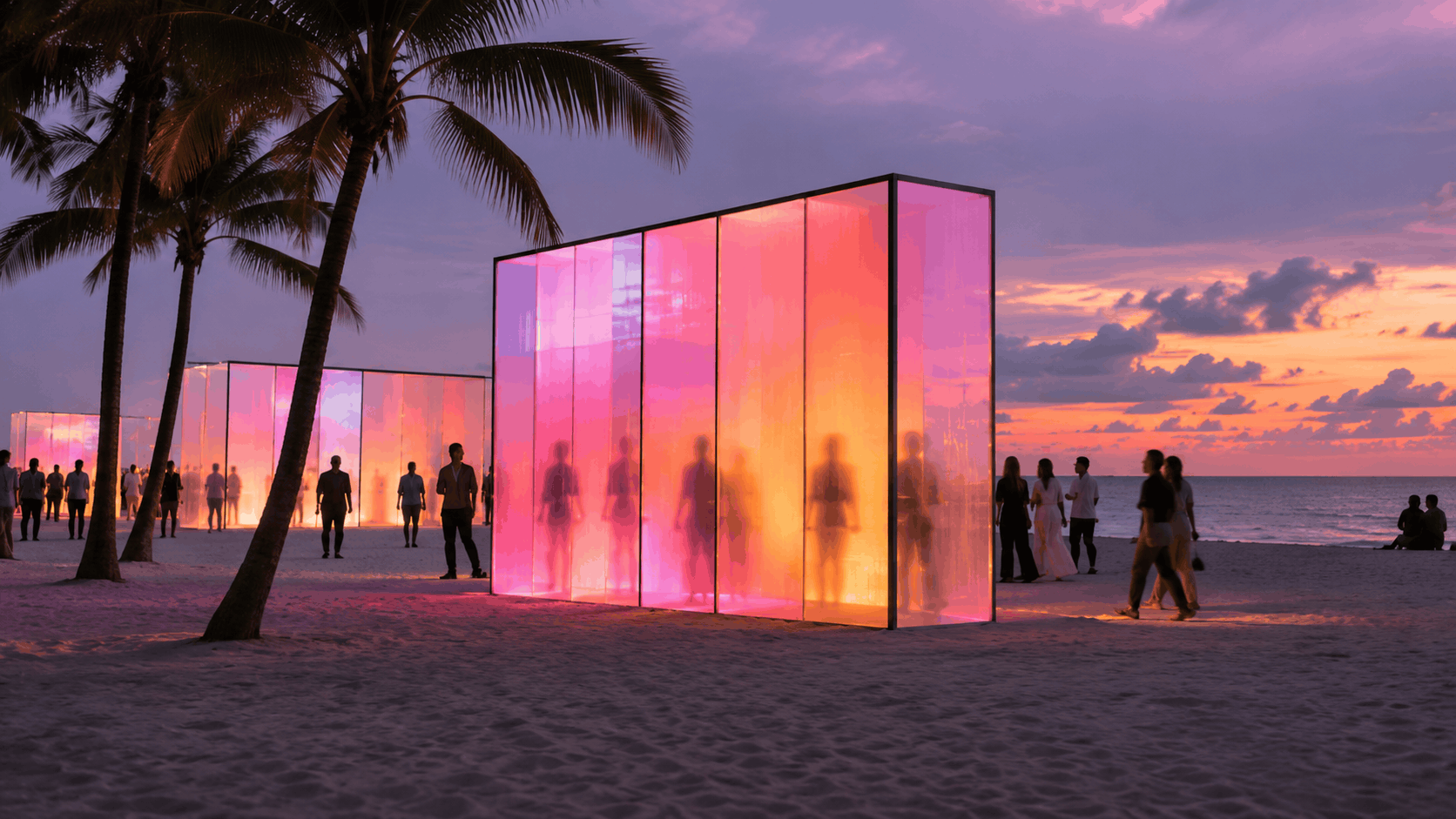
The New Era Of Miami Art Week
One of the biggest shifts happening during Miami Art Week isn’t just happening inside the galleries; it’s happening everywhere around them. What was once a week centered primarily around art, collectors, and galleries has evolved into one of Miami’s biggest cultural moments, bringing fashion, hospitality, beauty, wellness, food, and technology into the conversations.
For brands, that created a much bigger opportunity. Miami Art Week has become a moment to launch something new, introduce a collaboration, create content, build community, or put a brand in front of the right audience at the right time.
But as more brands enter the week, simply being there isn’t enough anymore. The bigger question has become how a brand can show up and stand out in a way that feels relevant.
With thousands of people coming to Miami and countless brands and experiences competing for their attention, simply attaching a logo to an event isn’t enough. The strongest activations start with a clear intention for the brand, then use storytelling, digital content, collaborations, and physical experiences to bring that identity to life.
Basel isn’t just about being seen anymore. It’s about giving people a reason to remember you.
Finding Your Brand’s Place at Basel
Not every brand needs a massive installation, exclusive dinner, or late-night party to make an impact during Miami Art Week. The strongest ideas start by understanding where the brand naturally fits into the week.
Art Basel’s own partner list shows how many industries now sit inside Basel. UBS is the Global Lead Partner, Airbnb is a show partner, Ruinart is a host partner, and The Ritz-Carlton, South Beach is an Official hotel, alongside fashion and technology names like Zegna and Samsung. Finance, travel, hospitality, fashion, and tech are all under one banner.
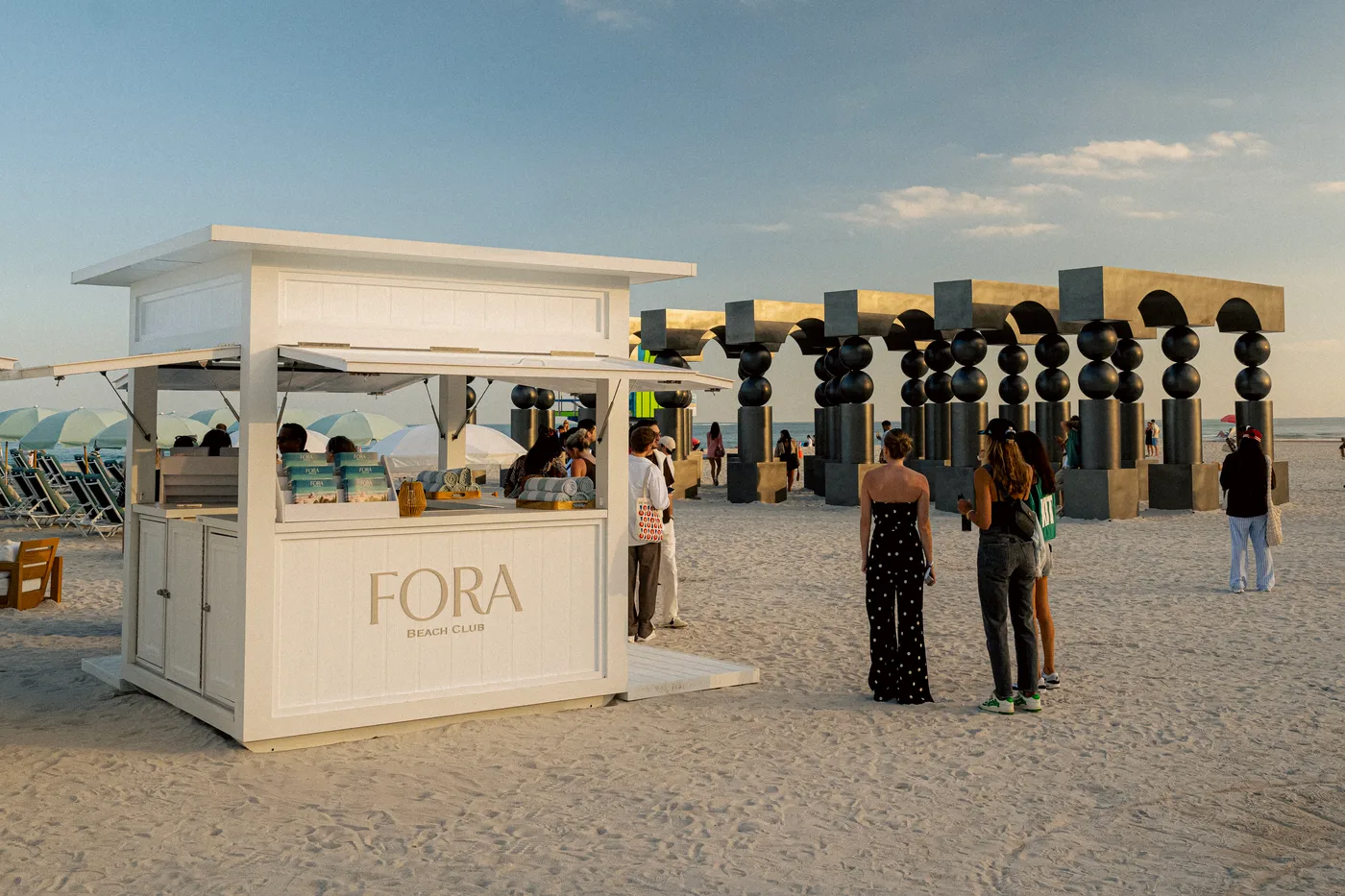
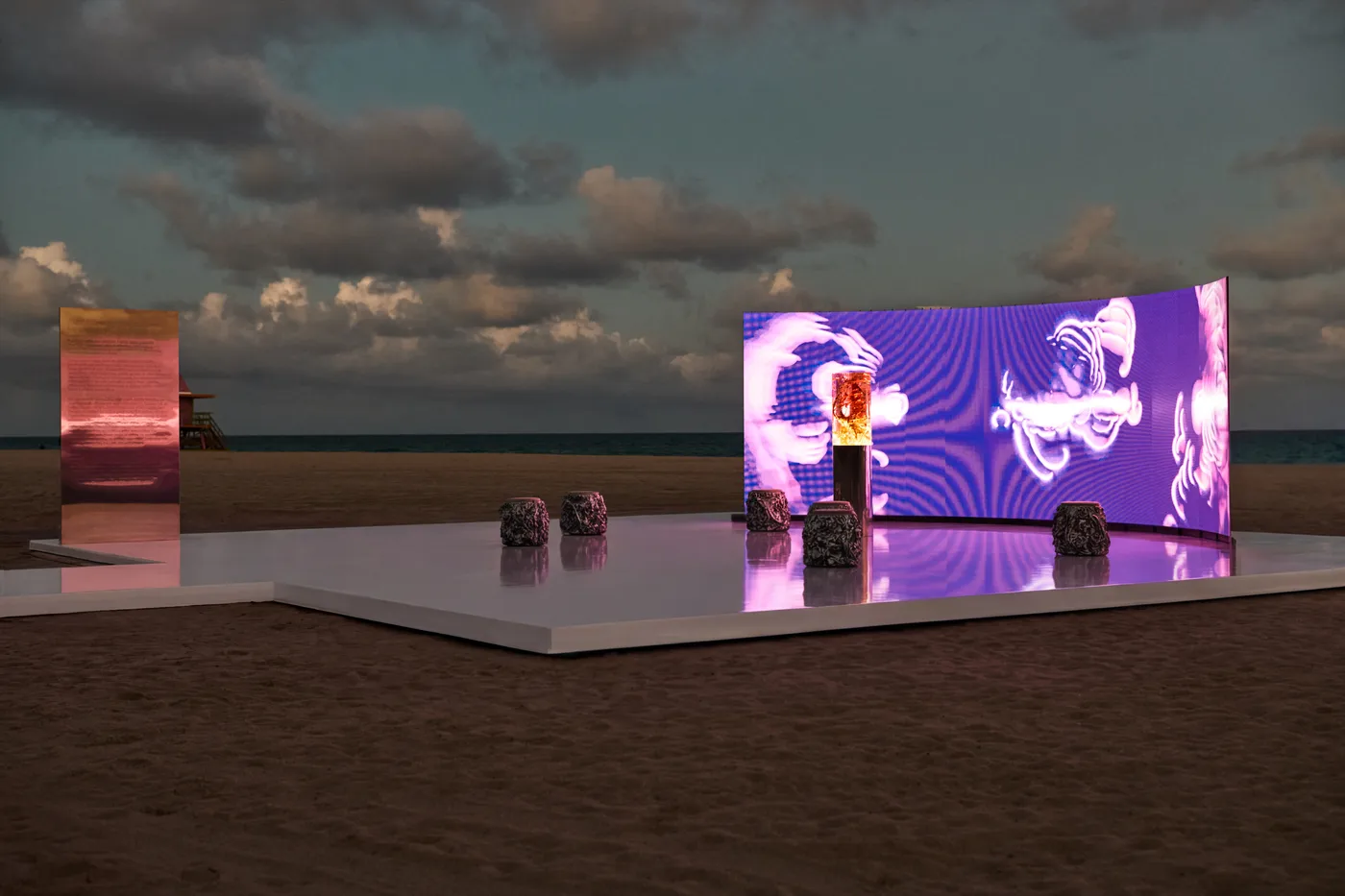
Photographs: Courtesy of Fora Travel and Maison Perrier-Jouët
The same thinking applies to any brand: A fashion brand might collaborate with an artist on a limited-edition piece. A restaurant might rethink its menu or transform its space. A hospitality brand could create programming that turns its property into a destination. A beauty or wellness brand might offer a moment of escape from an otherwise overstimulating week. A technology brand could turn digital innovation into something the audience can physically interact with.
There isn’t one formula for participating in Basel because there shouldn’t be one. The opportunity is finding the intersection between what people are already coming to Miami to experience and what your brand can authentically add to it. That’s where strategy comes before execution.
Start With the Brand, Not the Event
With so much happening during Basel, it can be easy to start with the biggest idea: the venue, the installation, the guest list, or the party. But a successful activation should start long before any of those decisions are made.
It starts with the brand.
Who are you trying to reach? What do you want them to remember? And most importantly, why does your brand belong in this conversation?
Branding creates the identity people recognize. The web gives their attention somewhere to go. Digital and content allow the moment to reach beyond the people physically in the room. Marketing makes sure the right audience actually sees it.
The Miami Design District is a great example of identity leading the activity. This June, it repositioned itself with its “Now Showing” campaign, created with the studio Made Thought, reframing the district as something to experience rather than somewhere to visit. It wasn’t an Art Week announcement, but it shows how a clear brand idea comes before any Art Week campaign is built on top of it.

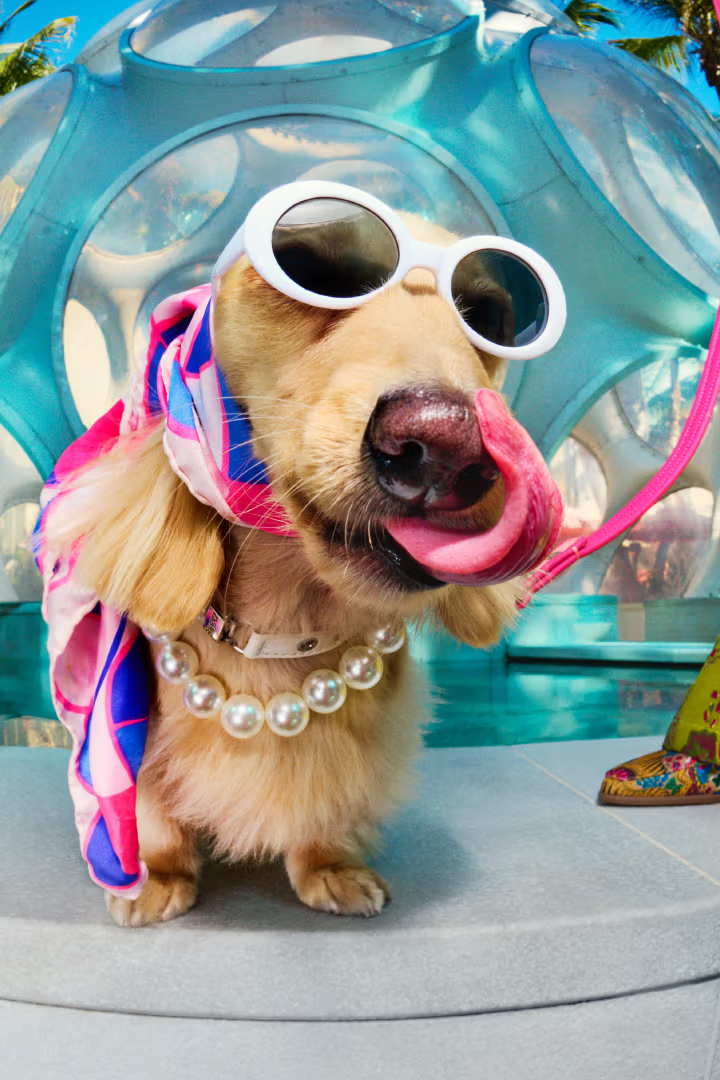
Photographs: Courtesy of Kenyon Anderson, Miami Design District
When those pieces work together, an activation becomes more than an event. It becomes an extension of the brand.
And sometimes, the smartest move is not to activate at all. If a brand can’t expand its cultural relevance, can’t execute an idea properly, or could reach its audience more efficiently somewhere else, showing up simply for the sake of not being there isn’t enough. The goal isn’t to be everywhere. It’s for your brand to show up where it makes sense.
The Event Might Last One Night. The Campaign Shouldn’t.
Dinner lasts a few hours. A pop-up eventually disappears. An installation comes down. But the story created around it can continue long after Basel ends.
That’s why the digital strategy behind an activation matters just as much as the physical experience. Email, web, e-commerce, photography, video, social content, and partnerships can extend one moment far beyond the audience that experiences it in person.
The strongest activations think about the second life from the beginning. Where will someone go after discovering this brand? What will translate online? What will people want to photograph? And what part of the experience can continue the conversation after the week is over?
The audience inside the room is only the beginning.
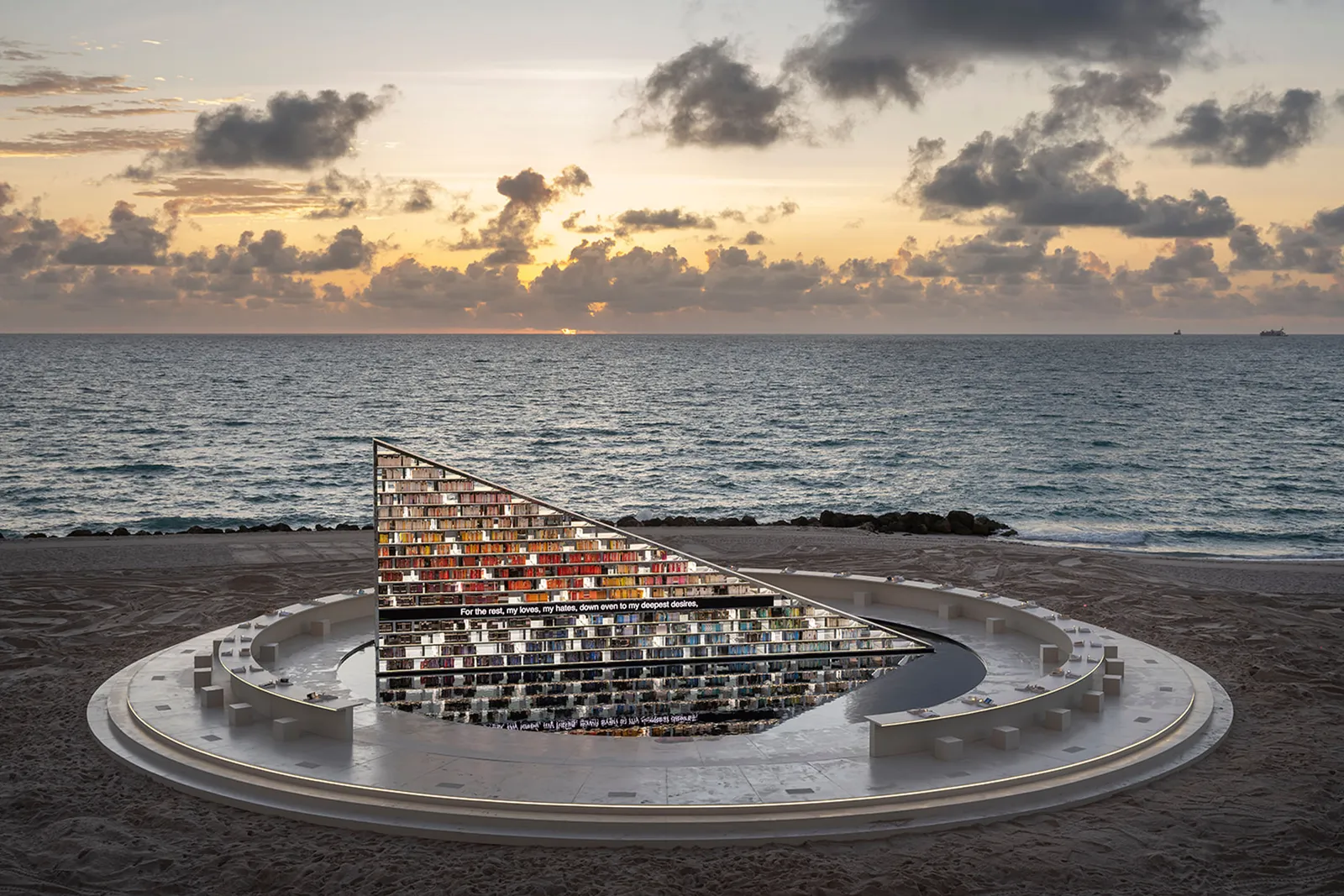
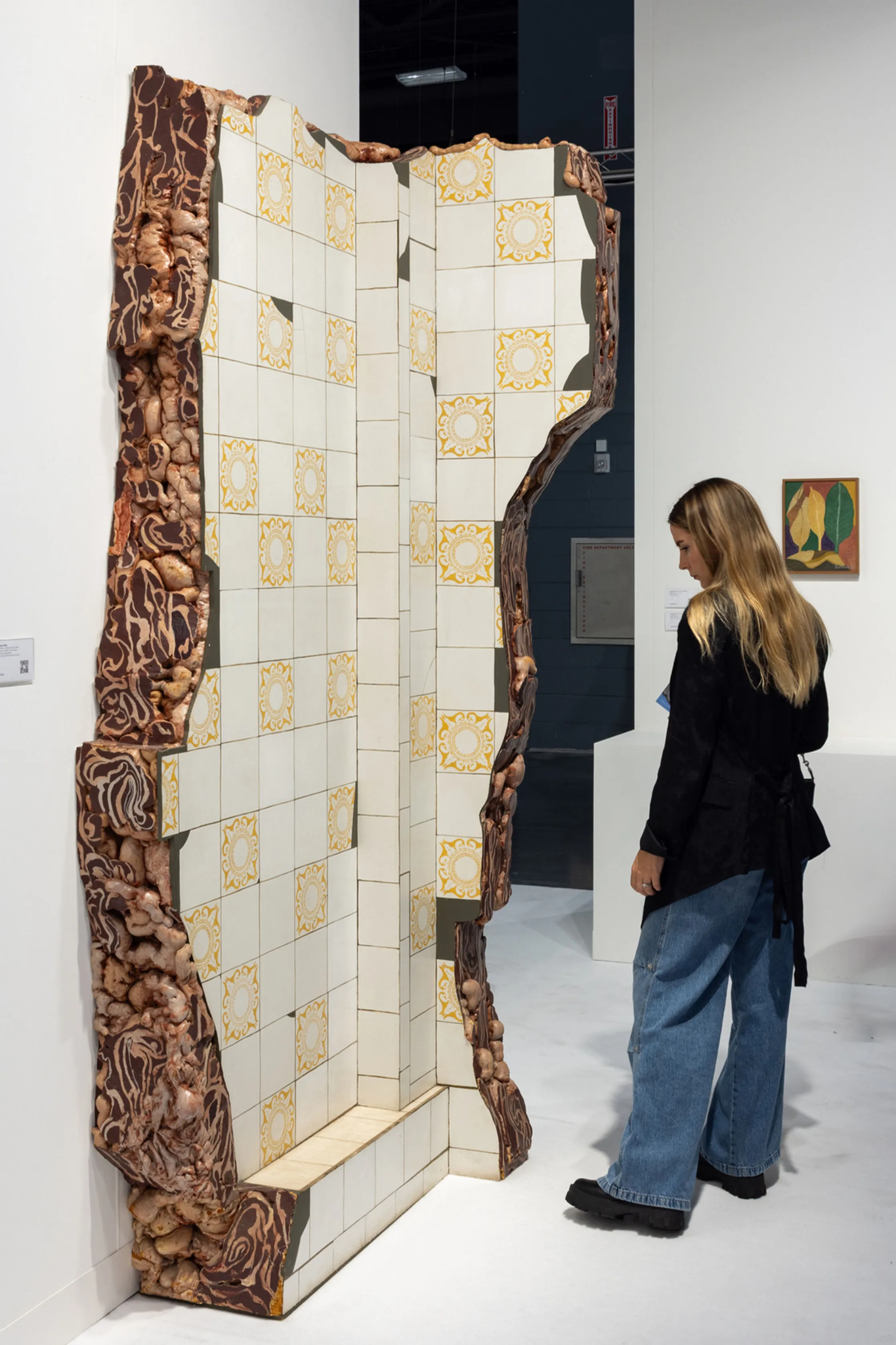
Photography: Courtesy Art Basel via Vogue
Being Remembered Is the Biggest Opportunity
By the end of Art Week, the events will be over, the installations will come down, and the crowds will leave. What remains is the impression a brand made.
The brands that stand out won’t necessarily be the ones with the biggest footprint or the loudest event. They’ll be the ones with a clear intention and a strategy that connects every part of the experience back to who they are.
The clock matters too. It’s early October, and Art Week begins in less than 8 weeks. For brands hoping to be a part of the conversation, the planning window is already here. Strong ideas need time to take shape, and the brands that start now have more room to create something worth remembering.
At The Brand Collective, we believe the strongest launches are built through intentional systems. Branding, web, digital content, marketing, partnerships, and experiences shouldn’t operate independently. When every touchpoint works together, a temporary cultural moment can create a much longer relationship between a brand and its audience.
Basel isn’t just about art anymore. The opportunity isn’t simply finding a way into the week. It’s finding the right way for your brand to belong in it.
Sources:


