
The New Era of Brand Recognition
One of the biggest branding stories during this year’s World Cup wasn’t happening on the field, it was happening on the sidelines. As advertising regulations and restrictions limit traditional brand visibility, companies had to restrategize on how they showed up without relying solely on their logos’ recognition.
To secure billions in marketing revenue, FIFA enforces a massive “debranding” of stadiums. Venues must cover up all unofficial brands, limiting their marketing to FIFA partners and World Cup sponsors solely.
This year’s tournament became an unexpected reminder that the strongest brands are recognized because every element of their identity works cohesively.
The brands that do stand out have built identities that can be recognized almost instantly through distinctive assets. A familiar color palette, a recognizable photography style, unique packaging, or even a signature sound. This recognition isn’t accidental, it’s the result of consistency.
Brands That Got it Right
Every interaction with a brand reinforces mental associations that consumers build over time. When impossible to be exposed, a few brands found creative ways to break through.
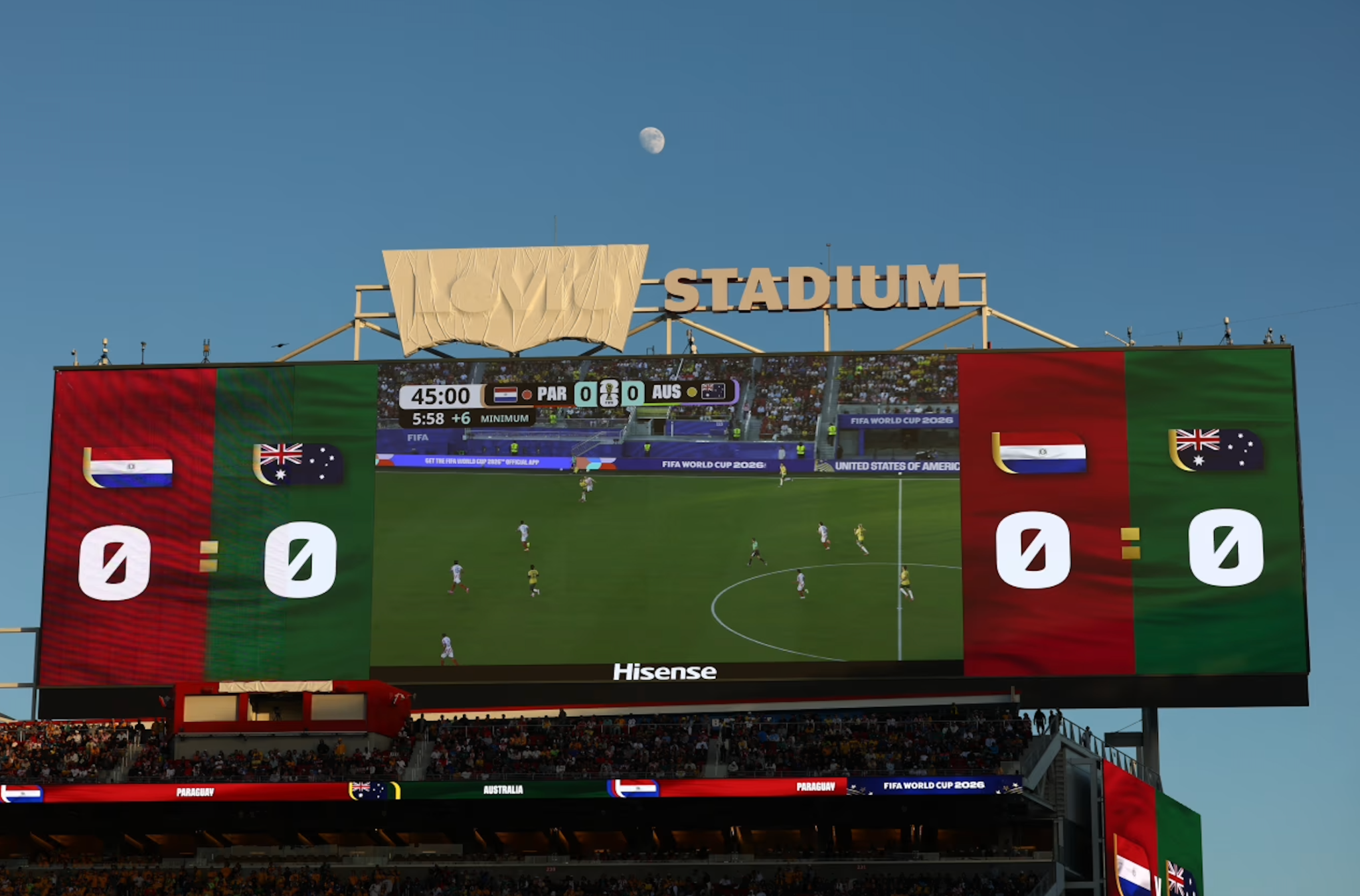
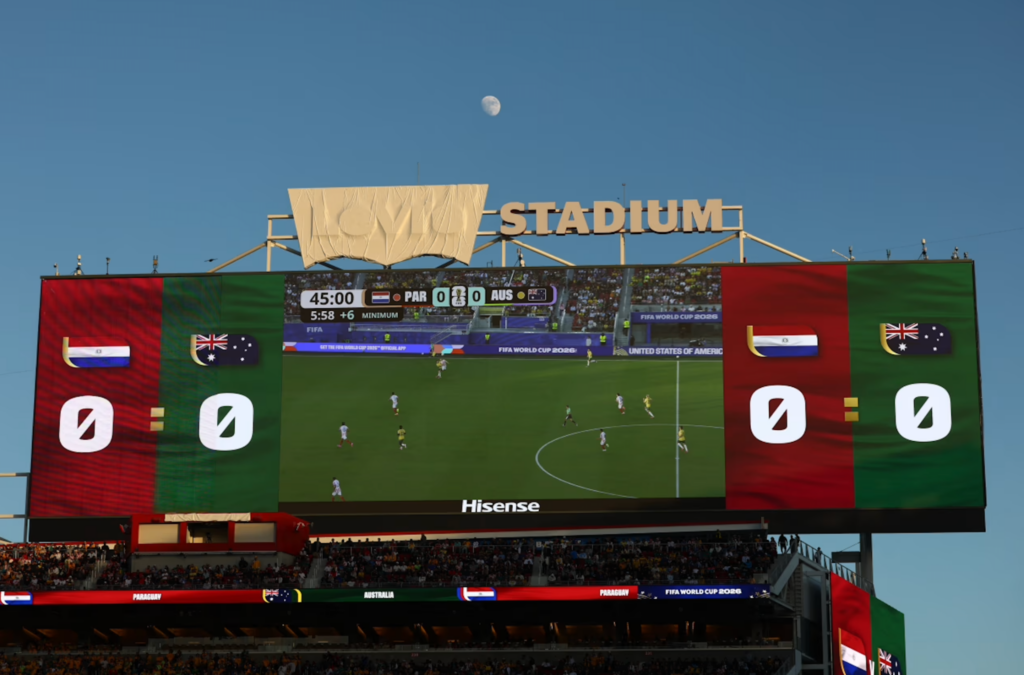
The first to catch our eye was Levi’s. The brand was forced to rename their Stadium to San Francisco Bay Area Stadium and cover all Levi logos with a white tarp. Although the name disappeared, the iconic batwing shape remained. Soon, their retail and product teams ran with the idea, making all in store products and social media pages adapt to their “new” logo.
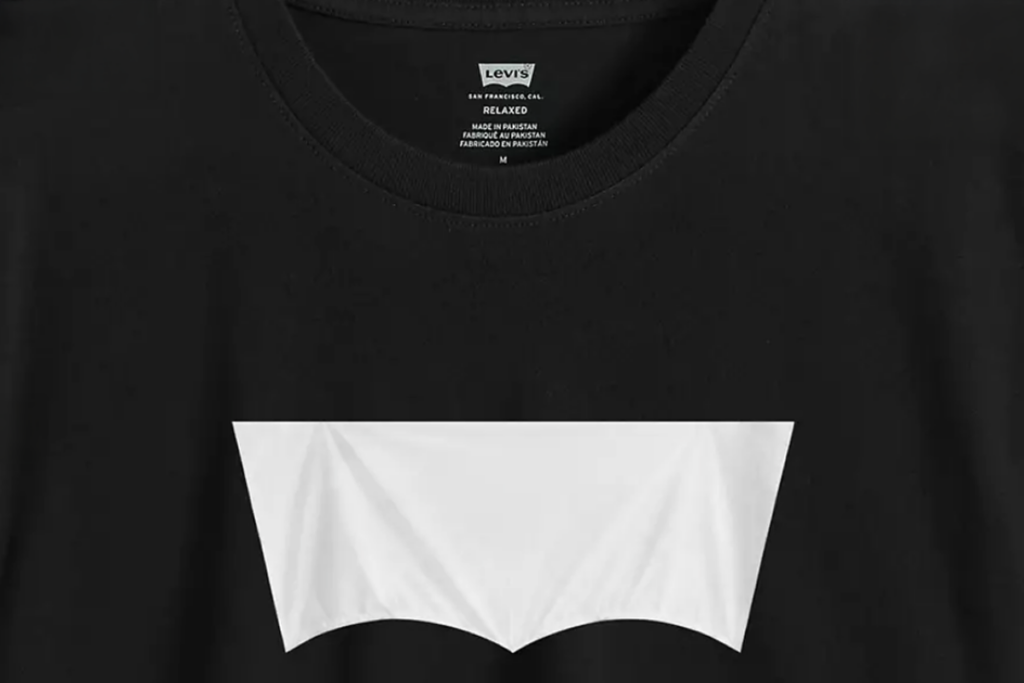
Photographs: Courtesy of WSJ & Levi’s
This is a clear example of ambush marketing, a strategy where a brand associates itself with a major event or competitor’s campaign to gain exposure without paying official sponsorship fees. Although often considered controversial, it’s proven to be a siphon of consumer buzz.
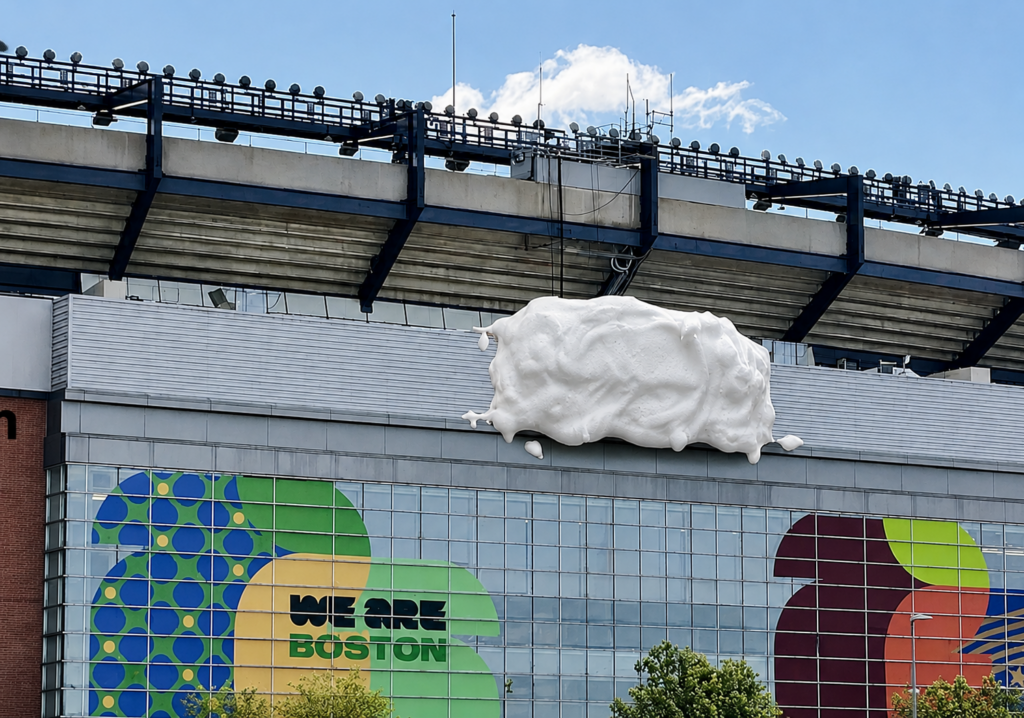
Gillette followed. When asked to remove their logo from their Boston Stadium, the brand covered it with a cloud of shaving cream. They were able to use constraints as creative fuel, making every person who walked into the stadium wonder about the brand.
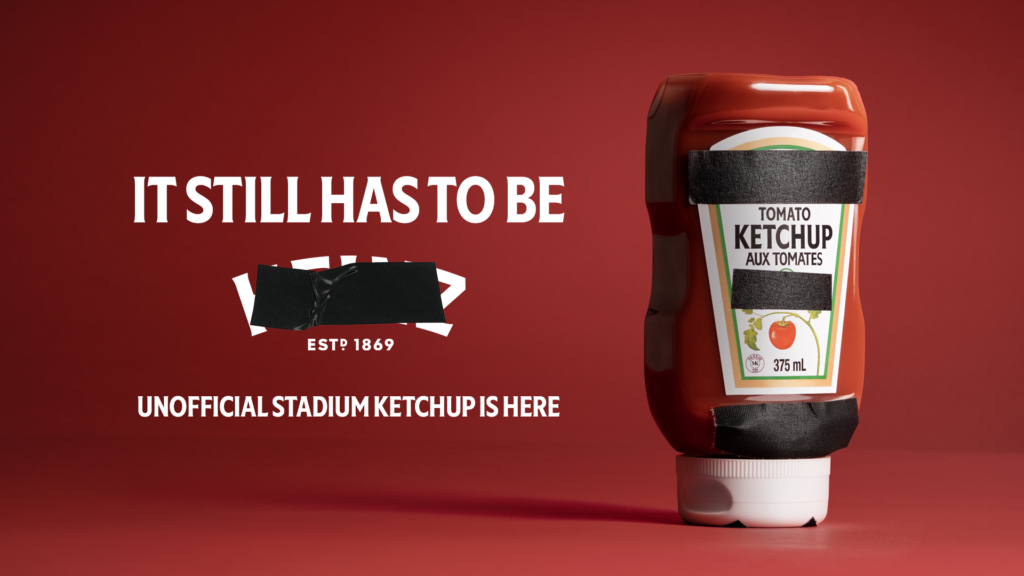
Heinz did the same by launching viral social media content featuring an “Unofficial Stadium Ketchup”. They covered up everything from bottles to dispensers with black tape and made sure their social media followed accordingly. Heinz even went the extra mile and released “red card” ketchup packets that could be sold in stadium.
Photographs: Courtesy of Heinz & More About Advertising
Our Takeaway on Temporary Rebrands
What became most interesting to us in the world of marketing, is how temporary changes in identity can unexpectedly strengthen it. Every year, many of the world’s most recognizable brands adjust their identities to celebrate cultural moments, seasonal campaigns, or global events.
It is important to note that temporary rebrands only work because recognition has already been established. Consumers don’t need to see Google’s standard logo to know they’re on Google. They don’t need Coca-Cola’s classic packaging to recognize the brand’s signature red. Years of consistent visual language have created enough familiarity that brands can experiment without sacrificing recognition.
Recognition Is the New Competitive Advantage
The World Cup highlighted a shift that’s been happening across branding for years.
Artificial intelligence accelerates content creation to the point where brands are competing for milliseconds of attention. Audiences are becoming more selective and media increasingly crowded. When content becomes easier to create and more difficult to differentiate, recognition is a brand’s greatest competitive advantage.
The future of branding won’t belong to those with the biggest logos, it will belong to the brands whose identities are recognizable from miles away. If yours isn’t, it may be time to rethink the assets that define your identity. At The Brand Collective, we believe the strongest brands are built through intentional systems. When every element of your identity works together, recognition becomes effortless and brands become memorable, adaptable, and relevant no matter how the landscape evolves.
Branding isn’t just a logo, it’s an ecosystem, and the only brands that persevere are those that adapt creatively.


